

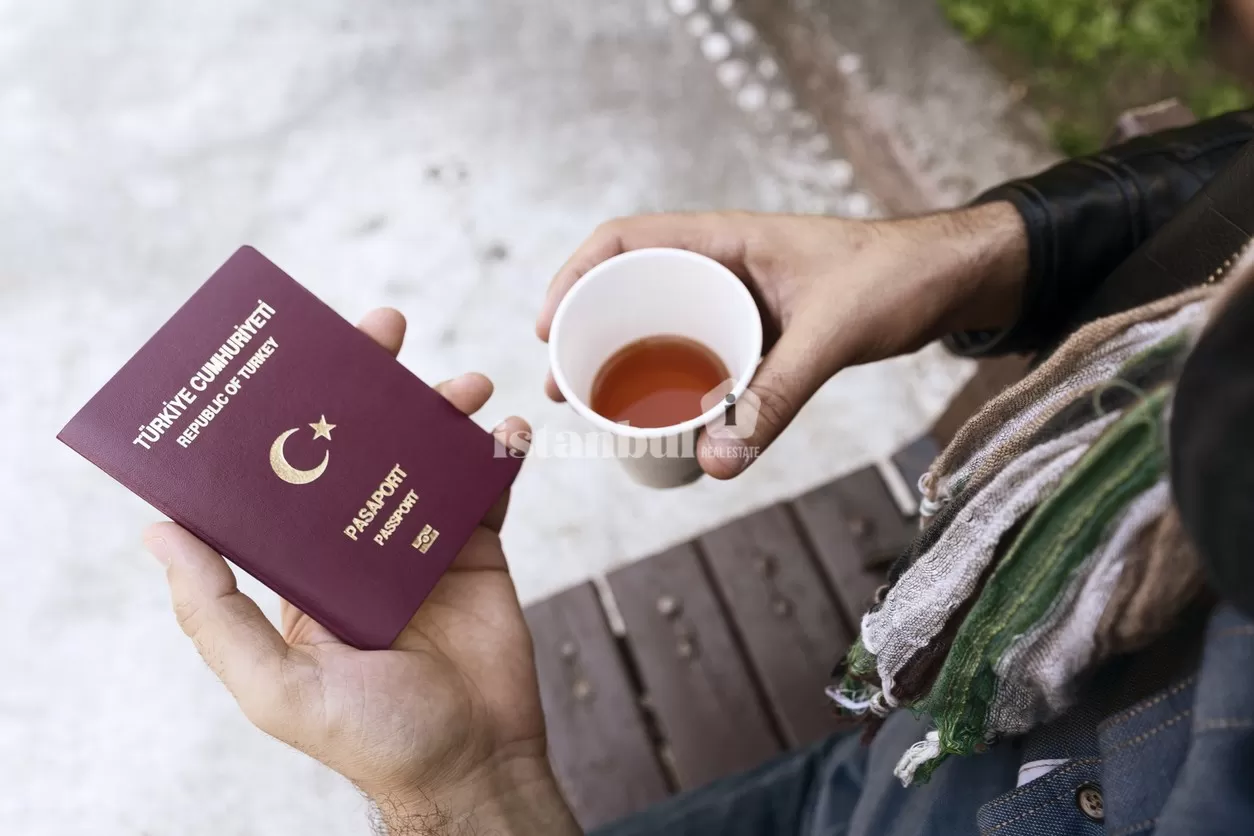
Turkish Passport Visa-Free Countries 2026: Complete Updated List of 136 Destinations
If you are researching Turkish citizenship in 2026, the question that comes up most often is about travel freedom. How many countries can you visit without a visa once you hold that burgundy passport? The short answer is impressive: 136 destinations as of August 2026, including visa-free, visa-on-arrival, eVisa and eTA access across every continent except Antarctica.
This article gives you the complete, verified list of Turkish passport visa-free countries 2026 — updated for August 2026 — plus practical travel tips, the Henley ranking, and how your passport compares region by region.
How Many Countries Can Turkish Passport Holders Visit Without a Visa in 2026?

As of August 2026, Turkish citizens can access 136 countries and territories without a traditional visa. This breaks down as:
- 71 countries — visa-free entry (just show your passport)
- 10 countries — visa on arrival (get it at the border)
- 49 countries — eVisa available (apply online before travel)
- 6 countries — eTA (Electronic Travel Authorization)
This puts the Turkish passport at approximately rank 46 globally on the Henley Passport Index 2026, making it one of the strongest passports in the Middle East and a solid second passport option for global investors.
Visa-Free Countries for Turkish Passport Holders: Complete List by Region
Asia-Pacific (Visa-Free)
| Country | Stay Duration | Requirement |
|---|---|---|
| Japan | 90 days | Visa-free |
| South Korea | 90 days | Visa-free |
| Singapore | 30 days | Visa-free |
| Malaysia | 90 days | Visa-free |
| Thailand | 30 days | Visa-free |
| Indonesia | 30 days | Visa-free |
| Philippines | 30 days | Visa-free |
| Hong Kong | 90 days | Visa-free |
| Macau | 30 days | Visa-on-arrival |
Middle East & Africa
| Country | Stay Duration | Requirement |
|---|---|---|
| Qatar | 30 days | eVisa |
| Bahrain | 14 days | Visa-on-arrival |
| Kuwait | 30 days | eVisa |
| Oman | 14 days | Visa-on-arrival |
| Jordan | 30 days | Visa-free |
| Lebanon | 30 days | Visa-on-arrival |
| Morocco | 90 days | Visa-free |
| Tunisia | 90 days | Visa-free |
| South Africa | 30 days | Visa-free |
| Kenya | 90 days | eVisa |
| Seychelles | 30 days | Visa-on-arrival |
South America: Best Region for Turkish Passport Holders

South America is the standout region for Turkish passport mobility. Every major country on the continent offers visa-free access for up to 90 or even 180 days:
- Brazil — 90 days visa-free
- Argentina — 90 days visa-free
- Chile — 90 days visa-free
- Colombia — 90 days visa-free
- Peru — 183 days visa-free
- Ecuador — 90 days visa-free
- Uruguay — 90 days visa-free
- Paraguay — 90 days visa-free
- Bolivia — 90 days visa-free
- Mexico — 180 days visa-free
For investors who travel frequently across Latin America for business or leisure, the Turkish passport offers unmatched flexibility in this region — better than many European passports in terms of raw visa-free access.
Where Turkish Citizens Still Need a Visa
It is equally important to know where the Turkish passport does not grant free access. The major destinations that still require a pre-arranged visa include:
- United States — B-1/B-2 visa required (but 10-year multiple-entry is common)
- Canada — visa required
- United Kingdom — visa required
- Australia — visa required
- New Zealand — visa required
- Most Schengen countries — Schengen visa required (C-2 type up to 5 years available for investors)
- China — visa required
However, the practical reality is that Turkish citizens can obtain multi-year visas to the US (up to 10 years) and Schengen Area (up to 5 years) relatively easily, especially if they hold property or investments in Turkey.
Turkish Passport vs Other Passports: Quick Comparison
| Passport | Visa-Free/Simplified Access | Henley Rank (2026) |
|---|---|---|
| Turkey | 136 | 46 |
| Portugal | 188 | 6 |
| Greece | 186 | 8 |
| Malta | 182 | 12 |
| Russia | 116 | 49 |
| Iran | 42 | 97 |
| Iraq | 30 | 103 |
| St. Kitts (Caribbean CBI) | 152 | 27 |
Turkish Green Passport (Hususi): Even More Benefits
An important distinction: Turkey issues a Special Passport (Green Passport / Hususi) to certain government officials, exporters and their families. The green passport offers visa-free access to approximately 160 countries, including all Schengen states — a significant advantage over the standard passport.
However, the green passport is not available through investment; it is tied to specific professional or official status. For the vast majority of investors, the standard burgundy passport is the relevant document.
Schengen Access with a Turkish Passport
While Turkey does not have visa-free Schengen access, the practical situation is much better than the raw data suggests. Turkish citizens with property ownership or investment history can typically obtain a 5-year multiple-entry C-2 Schengen visa, which effectively gives visa-free-like access to 27 European countries for tourism and business.
For investors who have obtained Turkish citizenship through the real estate route at $400,000 or above, the Schengen visa application is usually straightforward — the investment itself serves as a strong tie to Turkey, reducing overstay risk in the eyes of consular officers.
How Turkish Passport Mobility Has Improved
The Turkish passport has gained significant ground over the past decade. In 2015, Turkish citizens had visa-free access to only about 70 countries. The current 136 represents nearly double that figure, driven by Turkey’s active diplomatic expansion and economic partnerships.
Recent additions include visa-free access to Japan (2024), expanded eVisa coverage for several African nations, and ongoing negotiations with the European Union on visa liberalization for Turkish citizens. While EU visa-free travel is not expected imminently, the trajectory is positive.
Bottom Line for Investors
The Turkish passport in 2026 offers genuine global mobility — 136 destinations with simplified entry, strong visa-free coverage across Asia, Latin America and parts of Africa, and practical workarounds for major destinations like the US and Schengen Area through multi-year visas. For investors comparing citizenship programs globally, the travel freedom of the Turkish passport sits comfortably in the mid-tier, above most Middle Eastern and Asian passports but below European and Caribbean CBI programs.
If you are considering Turkish citizenship by investment, the passport’s travel benefits are a real, tangible advantage — not just a marketing line. Combined with dual citizenship allowance, family inclusion and no residency requirement, the mobility factor alone justifies the investment for many global buyers.
Frequently Asked Questions
Can I travel to the US with a Turkish passport without a visa?
No, Turkish citizens need a visa for the US. However, 10-year multiple-entry B-1/B-2 visas are routinely issued to Turkish passport holders with strong economic ties.
Is Japan visa-free for Turkish passport holders?
Yes. Turkish citizens can visit Japan visa-free for up to 90 days for tourism purposes.
How many countries can Turkish citizens visit without a visa?
As of August 2026, Turkish passport holders can access 136 countries without a traditional visa through visa-free, visa-on-arrival, eVisa or eTA arrangements.
Does the Turkish passport require a visa for Europe?
For short stays, a Schengen C-2 visa is required. Investors can typically obtain 5-year multiple-entry visas. For long-term stays, national visas apply per country.
Ready to start your Turkish citizenship journey? Contact Istanbul Real Estate for a free consultation. We handle property selection, legal due diligence and the full citizenship application — from TAPU to passport.
📧 info@istanbulrealestate.net | 📞 +90 (850) 840 0 300 | 💬 WhatsApp
Europe and Schengen Access
Turkish passport holders can visit several European countries visa-free including Albania, Bosnia, Serbia, Montenegro, North Macedonia, Kosovo, Belarus and Ukraine. For the Schengen zone (26 countries including Germany, France, Italy, Spain, Netherlands), a visa is needed — but Turkish citizens with property investments can obtain 5-year multiple-entry visas.
Africa: Growing Visa-Free Coverage
Morocco (90 days), Tunisia (90 days), South Africa (30 days), Angola (30 days), Senegal (90 days), Mauritania (90 days) are visa-free. Kenya, Ethiopia, Rwanda, Tanzania, Uganda offer eVisa. Seychelles and Comoros offer visa on arrival.
Central America and Caribbean
Panama (180 days), Costa Rica (30 days), El Salvador, Honduras, Guatemala and most Caribbean islands including Bahamas, Barbados, Antigua offer visa-free access from 30 days to 6 months.
Practical Travel Tips
Always check entry requirements 48 hours before travel. Ensure 6 months passport validity. Carry proof of return tickets and funds for some destinations. Register with the Turkish travel advisory system for safety alerts.
Schengen Access and Practical Realities
While Turkey does not have visa-free Schengen access, the practical situation is better than the raw data suggests. Turkish citizens with property investments can typically obtain 5-year multiple-entry C-2 Schengen visas, which effectively provides visa-free-like access to 27 European countries. The visa application is usually straightforward for citizenship-by-investment holders. Additionally, Turkish citizens enjoy visa-free access to Albania, Bosnia and Herzegovina, Serbia, Montenegro, North Macedonia, Kosovo, Belarus and Ukraine within greater Europe. The UK and Ireland require separate visas for Turkish passport holders.
How to Make the Most of Your Turkish Passport
For investors and frequent travelers, the Turkish passport works best when used strategically alongside your original passport. Use the Turkish passport for visa-free access to Japan, South Korea, Singapore, Brazil and most of Latin America. Use your original passport for countries where it has better access. Always carry both passports when traveling internationally. Register your Turkish passport with airline frequent flyer programs and Global Entry/ETS systems where eligible. Keep digital copies of both passports in secure cloud storage. Renew your Turkish passport before it expires — the 10-year validity means you only need to think about it once per decade.
Frequently Asked Questions About Turkish Passport Travel
Can Turkish citizens travel to the US without a visa? No, a B-1/B-2 visa is required, but 10-year multiple-entry visas are commonly issued. Is Japan visa-free for Turkish passport holders? Yes, up to 90 days. How many countries can Turkish passport holders visit without a visa? 136 countries as of August 2026. Does the Turkish passport require a visa for Europe? For the Schengen zone, yes — but 5-year multiple-entry visas are available for investors. Can I use my Turkish passport to enter my home country? That depends on your home country’s rules — some require you to use their passport for entry.
Visa-Free Countries by Region: Detailed Breakdown
Asia-Pacific remains the strongest region for Turkish passport holders. Japan, South Korea, Singapore, Malaysia, Thailand, Indonesia, Philippines and Hong Kong all offer visa-free access. This is a significant advantage for business travelers and investors who frequently visit these markets. The duration ranges from 30 days (Singapore, Thailand, Indonesia) to 90 days (Japan, South Korea, Malaysia, Hong Kong). South America is another standout region. Every major country — Brazil, Argentina, Chile, Colombia, Peru, Ecuador, Uruguay, Paraguay and Bolivia — offers visa-free access for up to 90 or even 183 days. Mexico allows 180 days. This makes the Turkish passport one of the strongest for Latin American travel, outperforming many European and North American passports in raw visa-free access across the region.
Turkish Passport vs Regional Passports: A Practical Comparison
The Turkish passport sits in an enviable position compared to its regional neighbors. Russian citizens have access to 116 destinations, Iran citizens to 42 and Iraq citizens to 30. Turkish citizens enjoy access to 136 destinations. This gap is significant for investors from these countries who obtain Turkish citizenship — they immediately gain travel freedom to 20+ additional destinations beyond what their original passport offers. When compared to European CBI passports (St. Kitts: 152, Malta: 182), Turkey offers competitive access at a fraction of the cost. The practical difference is mainly in Schengen access — where European passports have an edge — but Turkey’s 5-year multiple-entry Schengen visa availability for investors largely closes this gap for regular travelers.
Why the Turkish Passport Matters for Global Investors
For investors considering second citizenship, the passport’s travel freedom is often the deciding factor between programs. Turkey’s 136-destination access places it ahead of most Middle Eastern and Asian passports and competitive with mid-tier European programs. The combination of visa-free Japan, South Korea, Singapore, Brazil and most of Latin America with practical workarounds for the US (10-year B-1/B-2 visas) and Schengen (5-year C-2 visas) gives Turkish citizens genuine global mobility. When you add dual citizenship allowance, no residency requirement and family inclusion, the Turkish passport represents one of the best value-for-money options in the global citizenship market. Whether you are an investor from Russia seeking travel freedom, a Gulf national wanting Latin American access, or an Asian investor looking for a NATO-country passport, the Turkish passport delivers practical, everyday travel benefits that go beyond the visa-count number.