


BATI YAKASI KARTAL LARGE-SCALE RESIDENTIAL THAT TRIES TO BALANCE CITY LIFE WITH OPEN SPACE
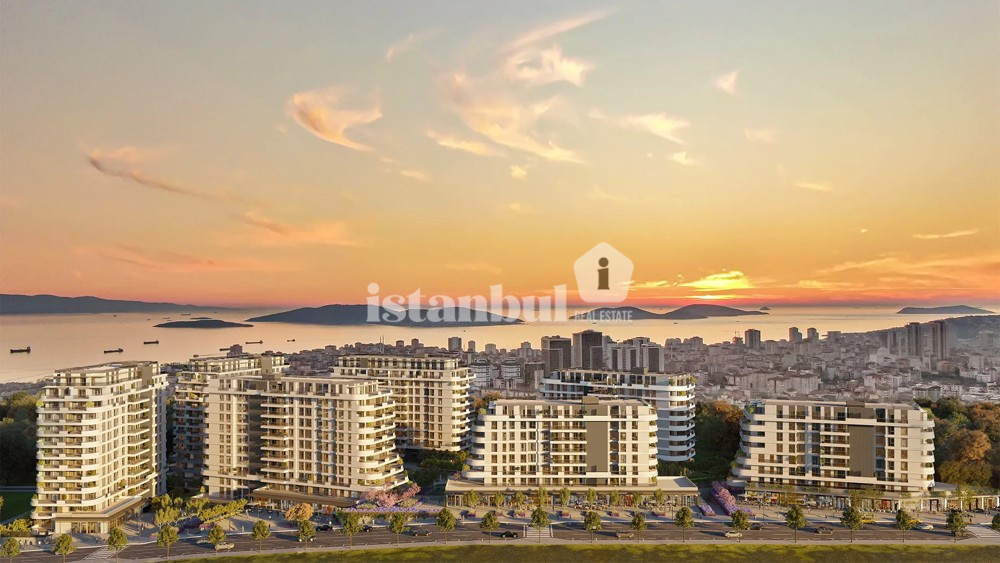
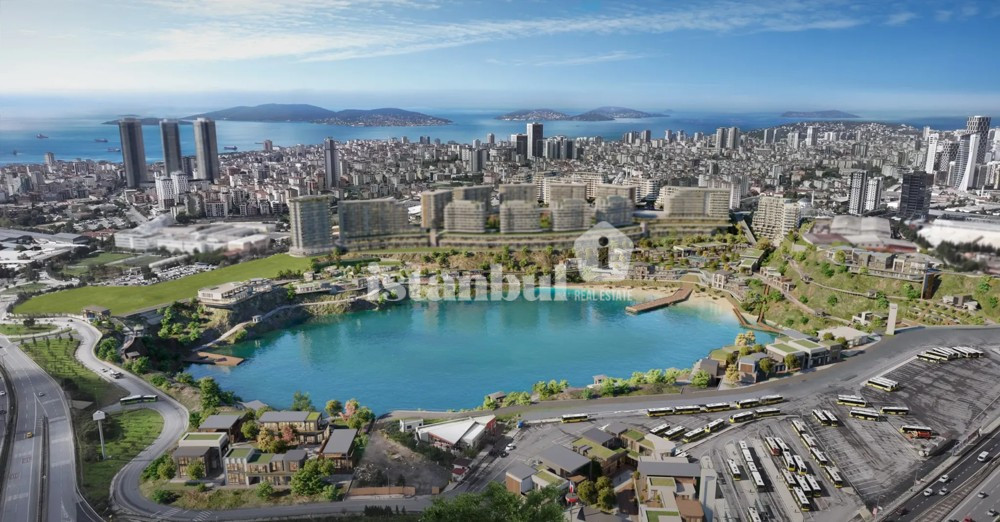
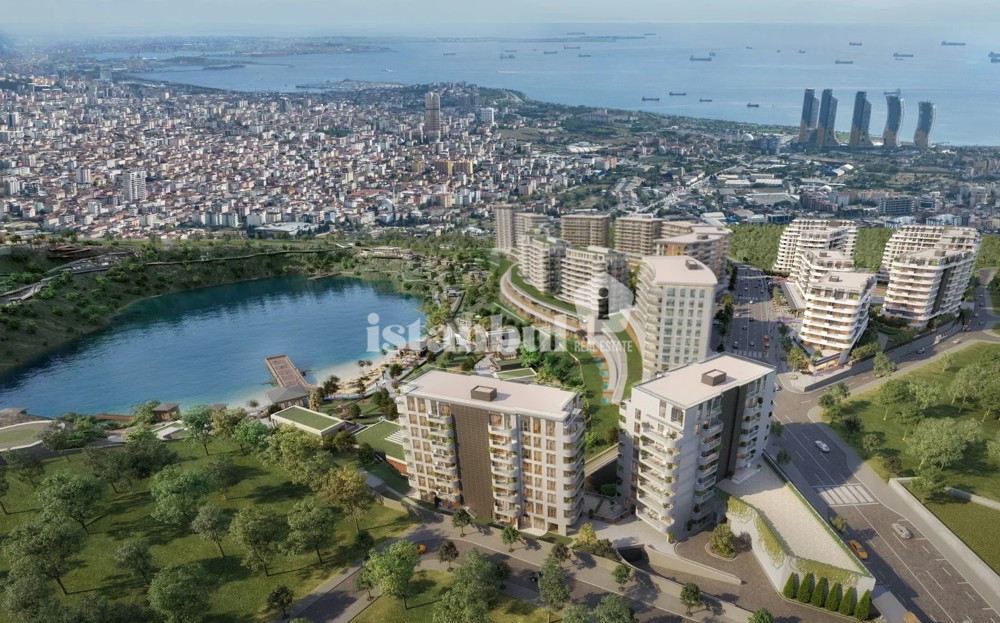
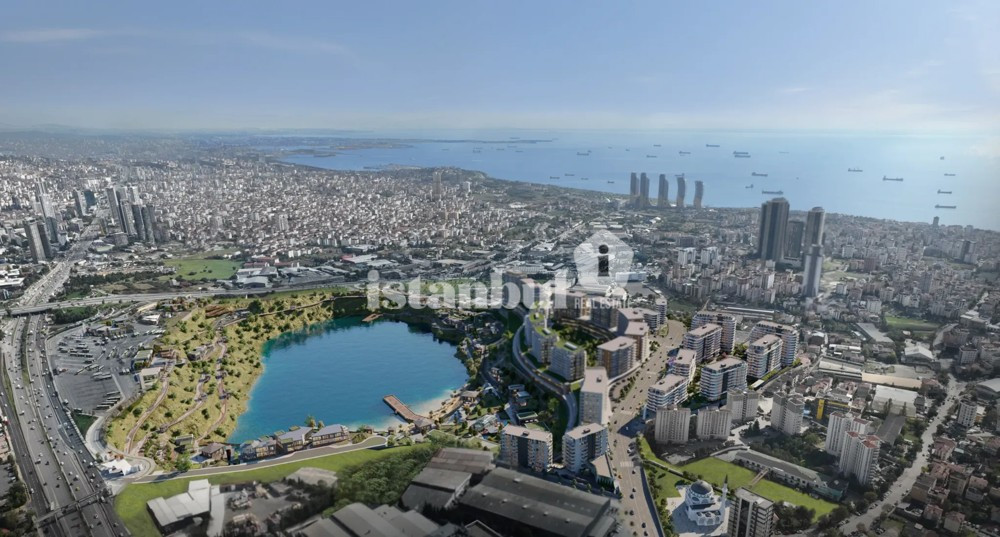
Batiyakasi Kartal is positioned in Kartal on Istanbul’s Asian side and presents itself as more than a standard housing development. On the official project website, the core message revolves around staying in the center of the city while still feeling somewhat sheltered from its intensity. That idea is supported by the project’s emphasis on transport access, landscaped outdoor areas, and a lake-adjacent setting.
Kartal has already become one of the more visible residential zones in Istanbul thanks to its transport infrastructure and ongoing urban transformation. Within that context, Batiyakasi appears to be targeting both end-users and long-term buyers by combining a strong location with a broader lifestyle narrative. It is not being marketed only as a set of apartments, but as a living environment tied to movement, open space, and daily convenience.
LOCATION AND CONNECTIVITY
The official site highlights proximity to metro, Marmaray, sea transport, and the airport, which immediately places the project within one of the strongest connectivity narratives available in Istanbul. Being close to E-5 is especially relevant in Kartal, where access to major roads and public transport has a direct impact on daily quality of life.
From a practical standpoint, this matters because urban housing decisions in Istanbul are rarely based on apartment size alone. Commute times, access to schools, routine movement across districts, and connection to the coast or central nodes often shape the real value of a location. Batiyakasi benefits from this logic, and its positioning suggests that transport convenience is one of the main pillars of the project.
PROJECT SCALE AND HOUSING OPTIONS
According to Emlak Konut’s official sales page, Batiyakasi is listed as a residential plus commercial project in Kartal, with apartment options ranging from 1+1 to 5+1 and a total of 2,116 residences and 89 commercial units. That scale is important because it shows the project is intended to function as a broader urban settlement rather than a boutique development.
This variety in unit types also expands the project’s audience. Smaller units can appeal to investors and compact-living users, while larger family-oriented apartments make the project more relevant for long-term residence. The official site’s separate sections for sample apartments and floor plans reinforce the idea that internal usability is part of the sales logic, not just exterior imagery.
LAKE-ADJACENT LIVING AND LANDSCAPE
One of the strongest differentiators in the official project narrative is the idea of living next to Batiyakasi Lake. The site states that the lake covers 290,537 square meters and sits beside E-5, together with a park and social areas along its edge. This gives the project a spatial identity that goes beyond ordinary site landscaping.
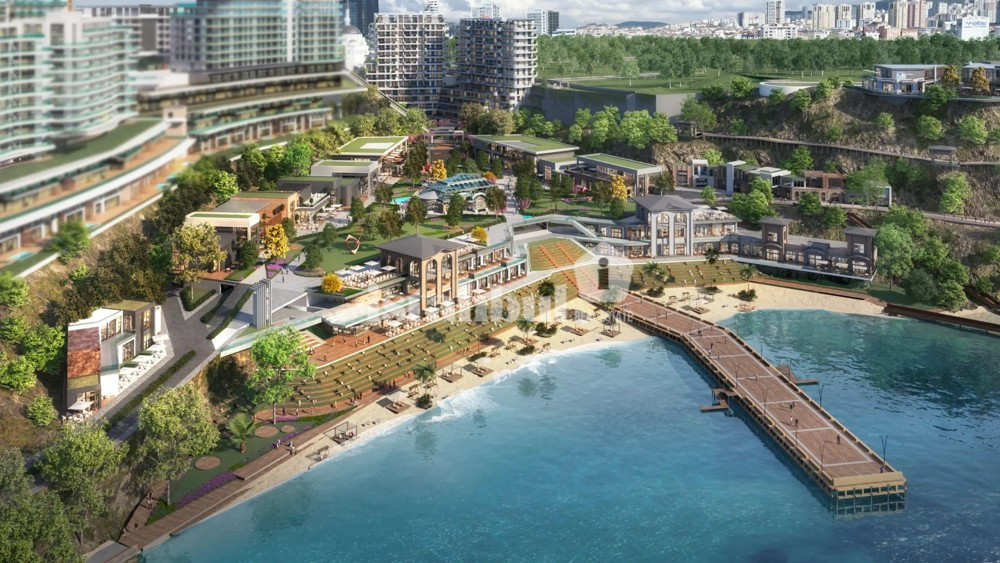
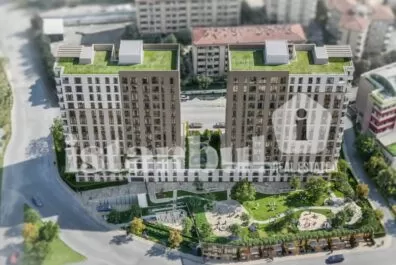
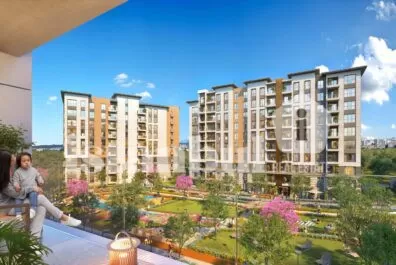
The same source also states that the project includes 18,482 square meters of landscape area, with neighborhood-style open spaces, hobby gardens, children’s play areas, and walking paths. In a dense city, these features are not minor extras. They shape how a project feels on a daily basis and often define whether a development is merely visually attractive or genuinely livable.
SOCIAL LIFE AND EVERYDAY USE
The official website places strong emphasis on concert and entertainment areas, cycling and walking routes, culture-art spaces, and restaurants-cafes. That language suggests the project is being framed as part of a broader everyday lifestyle rather than just a private gated site.
This is especially relevant in Kartal, where buyer expectations increasingly extend beyond the apartment itself. Access to the coast, walkability, outdoor movement, and social life matter more than they did before. Batiyakasi seems to understand that shift and uses it as part of its positioning. The project is not presented only as a building complex, but as a place where external life and internal comfort meet.
INTERIORS, ARCHITECTURE, AND DAILY COMFORT
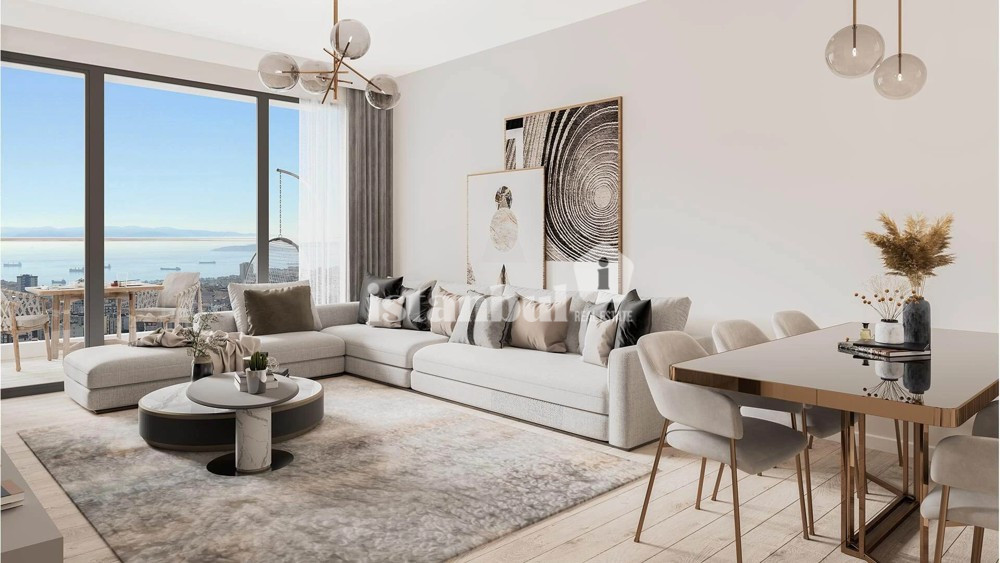
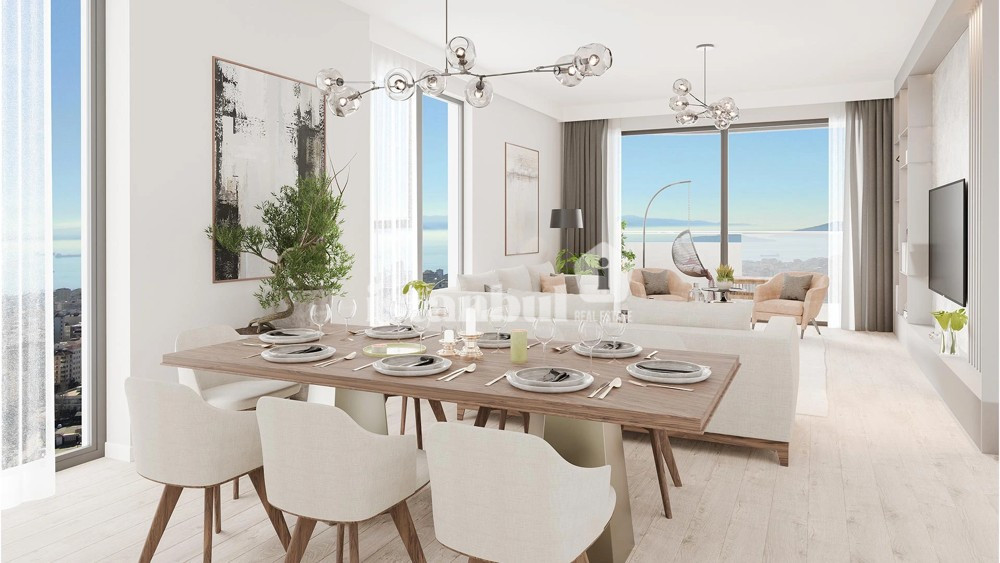
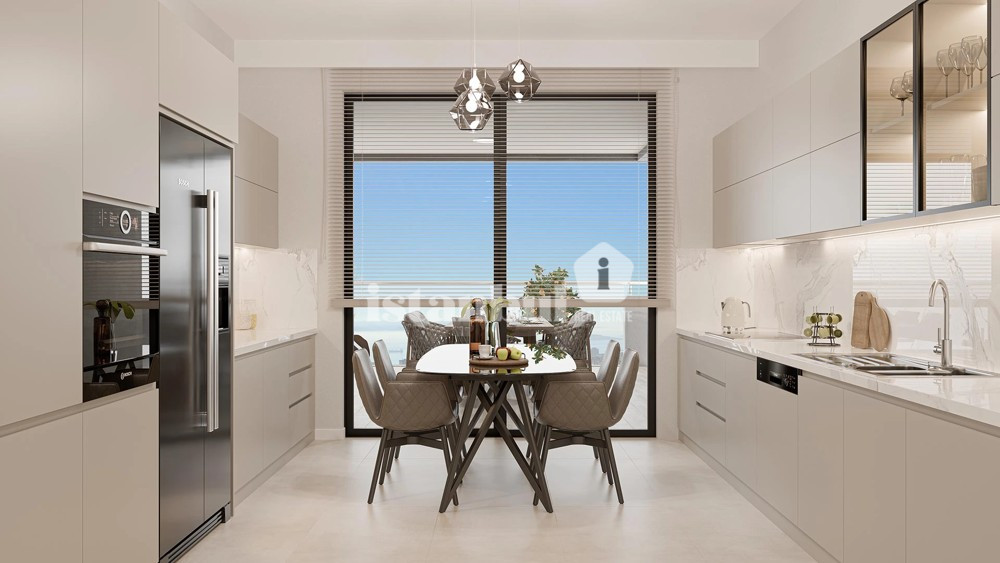
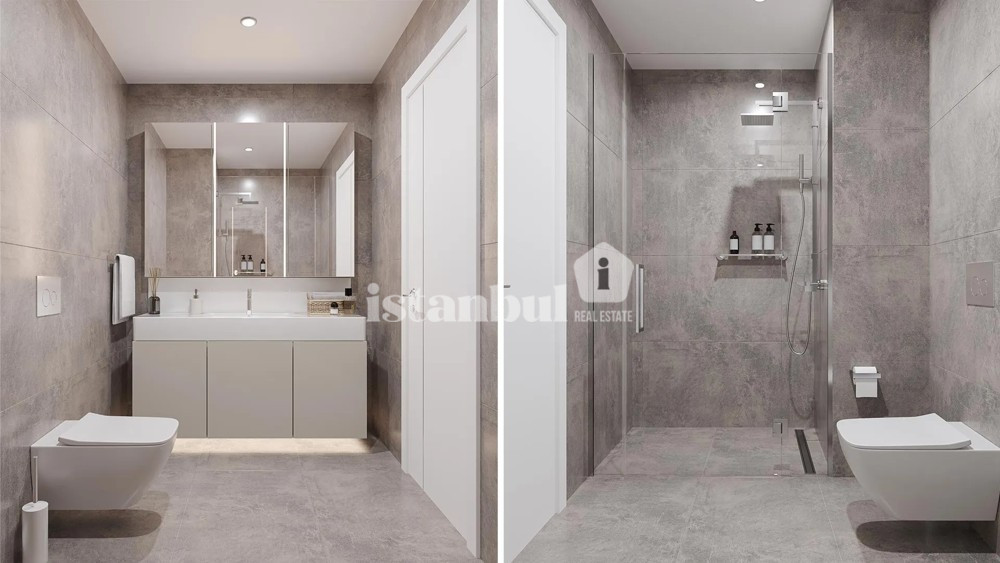
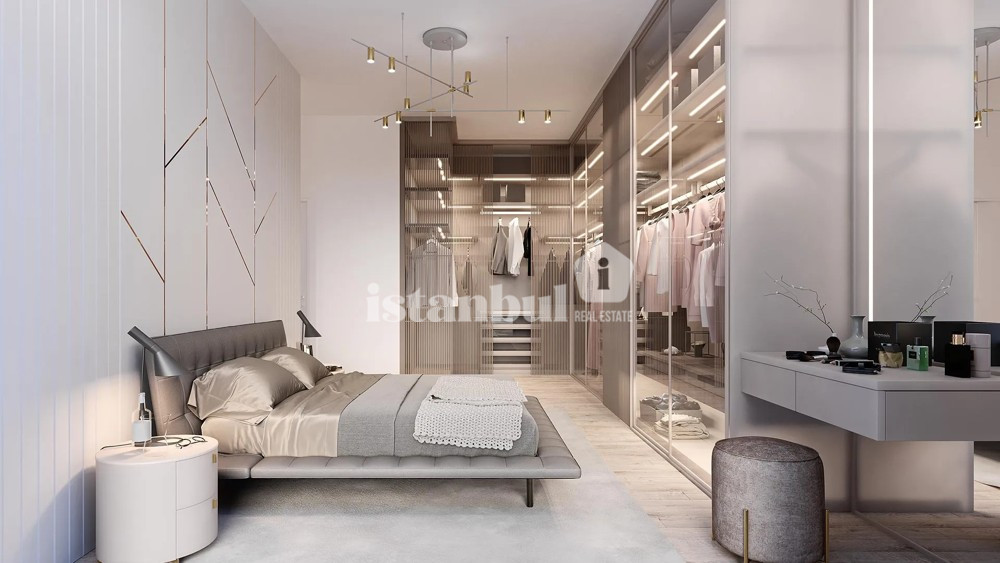
Based on the official gallery and the images you shared, the interior approach appears modern, restrained, and functional. Kitchens are spacious and contemporary, bathrooms have a clean finish, and living areas look designed for long-term use rather than purely visual effect. This is an interpretation based on the visuals, but it aligns with the project’s broader tone: practical comfort rather than overdesigned luxury.
The floor-plan section also shows a wide range of layouts, including duplex options. Combined with the official 1+1 to 5+1 range, this suggests that flexibility is one of the project’s stronger points. In districts like Kartal, where both investors and resident buyers are active, that kind of planning flexibility often matters a lot.
LONG-TERM VALUE AND DEVELOPMENT BACKGROUND
The project website explicitly describes Batiyakasi as a profitable investment, though naturally that should be read together with location and scale rather than as a standalone claim. Its strength lies in the combination of transport access, landscaped design, lake-adjacent setting, and broad unit mix.
The About section of the official site states that Yıldızlar İnşaat ve Ticaret A.Ş., operating under ERN Holding, has 37 years of engineering experience and has delivered more than 100 projects. The same site also shows Emlak Konut affiliation. In practice, buyers tend to evaluate not only apartment features but also project delivery capacity and institutional background, so this developer profile adds weight to the project narrative.
OVERALL ASSESSMENT
Batiyakasi Kartal stands out as a large-scale residential project that tries to combine urban access, open-air living, water-adjacent identity, and broad housing choice in one place. The lake narrative, 18,482 square meters of landscape, social life emphasis, and 1+1 to 5+1 apartment mix make it relevant to multiple buyer profiles.
In simple terms, this looks like a project that tries to persuade through context as much as through architecture. For buyers who want to remain connected to Istanbul while moving into a more landscaped and structured environment in Kartal, Batiyakasi offers a fairly readable proposition.
Property details:
Review for Batiyakasi Kartal
Related properties

Luxera Sulkent
Battalgazi, Karadeniz Cd. No:93, Sultanbeyli, İstanbul
Bahceada Bahcesehir
Bahçeşehir 2. Kısım, 3MQ7+HP, Başakşehir, İstanbul
Forev TEM Istanbul
Mevlana, Hızırefendi Cd. Gaziosmanpaşa, İstanbul
Avrasya Basaksehir Cadde
Kayabaşı, Lokman hekim sokak No:1, Başakşehir, İstanbul