

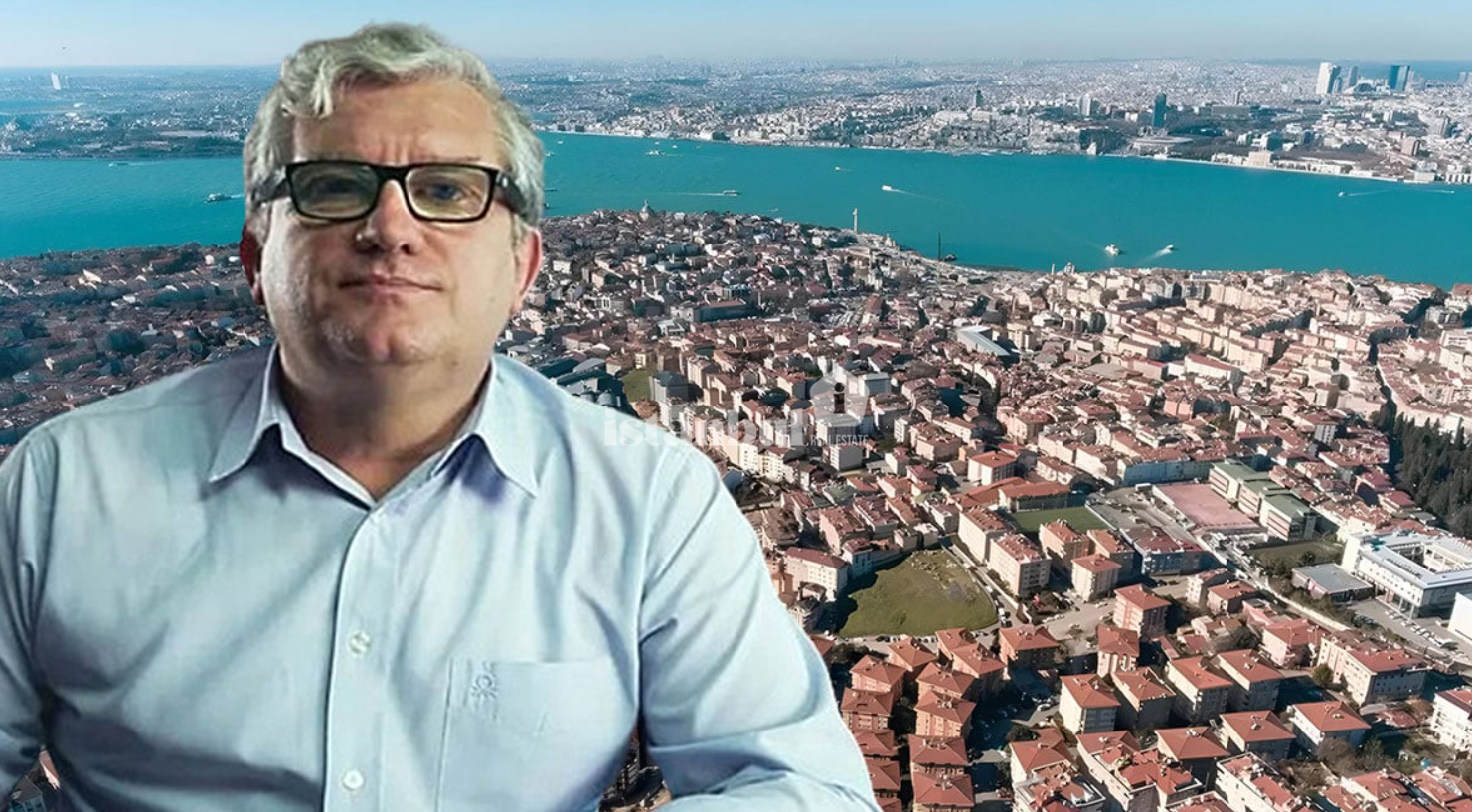
Insights from Leading Seismologists On Istanbul Earthquake 2025
Insights from Leading Seismologists On Istanbul Earthquake 2025
Istanbul earth continues to be a source of scientific debates and general apprehension. With recent seism in the Marmara Sea, the leading experts continue sharing their insights on the “present status. Of the looming great Istanbul earthquake. Even though everyone concurs about intense earth quake risk in the zone, they do not see eye-to-eye about the extent of urgency. Readiness, and latest movement explanations, leaving a multi-dimensional perspective on what looms in front of the mega-city. The article shares Opinions of Renowned Seismologists Professors Naci Görür, Şener Üşümezsoy, Celal Şengör, and Cem Yeltırak. Reflecting a general overview of available know-how on Istanbul quake risk.
Prof. Dr. Naci Görür Speaks On Preparedness
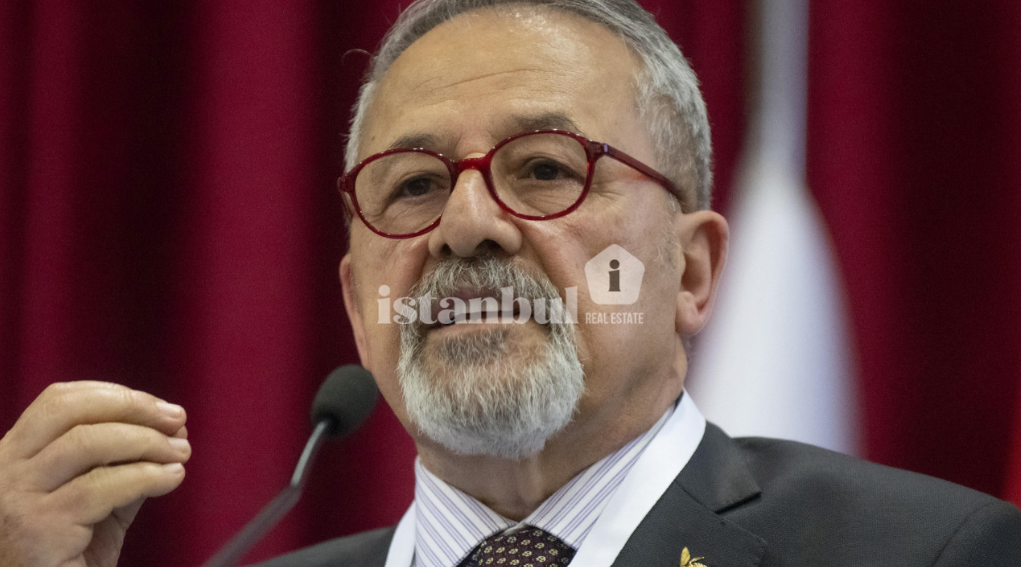 Prominent seismologist Prof. Dr. Naci Görür has been a constant voice warning against the risks and urging for immediate safety measures. His explanation of recent earthquake activity in the Marmara Sea. Including tremors around the Kumburgaz fault system, is that they are not what is expected of a large Marmara quake but evidence of increased pressure in the fault systems.
- Increased Stress: Prof. Görür adds that these minor tremors are piling stress onto stuck sections of the fault system that may drive them towards a major rupture. Kumburgaz and Adalar are already identified by him as being major sources of threat. If Kumburgaz ruptured alone, it would produce a 7.2 earthquake and 7.0 for Adalar. A simultaneous rupture would produce a catastrophic 7.5 magnitude earthquake.
- High Probability: Already he has cited a high probability (approximately 64% in 2023) of a magnitude 7 or greater earthquake in the near future within a period of a few decades, even by 2045. Although he makes it clear that timing is in no manner predictable.
- Call for Action: Prof. Görür firmly believes in massive urban transformation beyond building construction. His vision requires an interdisciplinary approach from the government, municipalities. And society as a whole in making Istanbul earthquake-proof as far as infrastructure is concerned, social awareness, and emergency response. Prof. Görür has even criticized megaprojects like Kanal Istanbul due to potential negative impacts on regional earthquake balance.
- Recent Assessments: Following an April 2025 M6.2 earthquake, he again stated that was not the “big one. But these events bring the strained faults closer to rupturing.
Prof. Dr. Şener Üşümezsoy Provides A Contrasting Viewpoint
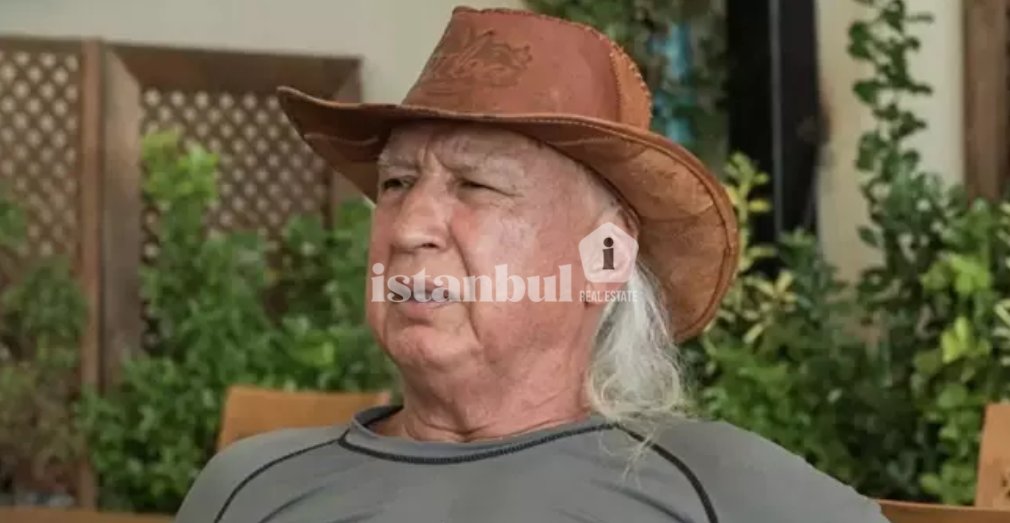
Offering a divergent perspective, Prof. Dr. Şener Üşümezsoy believes that recent seismic activity may have released part of accumulated pressure, marking a time of relative calm.
- Energy Release: Prof. Üşümezsoy commented after April 2025 M6.2 earthquake that possibly the long awaited giant earthquake in Marmara may now be “over. Since the earthquake released a great amount of built-up energy on the fault.
- Fault Characteristics: He has insisted that Adalar fault is “dead” and that some of the faults in the Marmara Sea are vertical in nature and do not have the capacity for large-magnitude catastrophic strike-slip type of earthquakes. He had, however, indicated a probable 6.0-6.5 quake in Silivri-Kumburgaz and believes it has occurred.
- Region to be Quiet: His argument is that Istanbul can “rest quietly” for the moment. As the principal threat has been overcome through recent events.
Prof. Dr. Celal Şengör Mentions Imminent Threat and Insufficient Measures
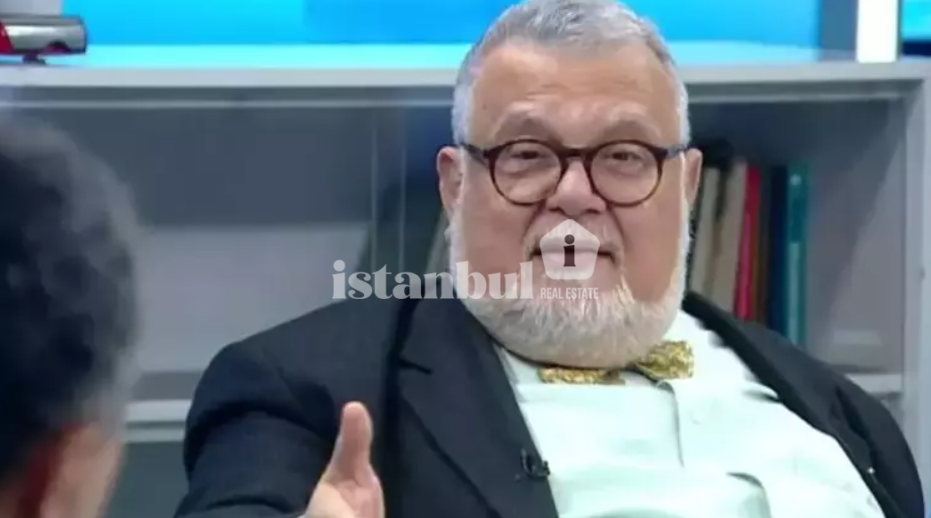
One of Turkey’s foremost geologists, Prof. Dr. Celal Şengör is rather gloomy about Istanbul’s earthquake threat, pointing out that an event of disaster proportions is not far away.
- Inevitable and Close: Prof. Şengör has been repeatedly warning that a major earthquake with a magnitude potential. Of 7.2-7.6 is not an eventuality but a matter of “very close” imminent reality.
- Critique of Preparedness: He has criticized decades of preparation as inadequate. His distrust is so profound that previously he has contended that it might ultimately make most sense for people simply to leave Istanbul. Because it is not possible to prepare the massive city in time.
- Stress Transfer: He interprets events like that of the 2022 Düzce earthquake as indicators of increased stress in the North Anatolian Fault segment threatening Istanbul.
Prof. Dr. Cem Yaltırak (Cenk Yaltırak) Speaks on Uncertainty and Stressed Systems
Prof. Dr. Cem Yaltırak is another earth science expert who states the intrinsic uncertainties in earthquake prediction while pointing out that yes, indeed fault systems are under stress.
- Complexity of Prediction: Prof. Yaltırak said after the April 2025 6.2 earthquake that one cannot make absolute statements about a large earthquake “will or won’t take place” in. As geologically involved an area as in the example of the Marmara involving more than a single fault.
His point is that it is more crucial that one understands what would happen during a large earthquake if it were to happen and not when it would happen. - “Full Buckets” Analogy: Prof. Yaltırak uses the analogy of the “full bucket,” in which one shouldn’t lay sole stress on the “latest drop” (a precipitating factor). Also on “water already in it,” symbolizing already excessive amounts of accumulated stress.
- Recent Quakes and Timeline: Recent earthquake activity including the M6.2 earthquake do not speed up or delay the imminent large Marmara earthquake in his belief.
- Critique of Risk Models: Prof. Yaltırak has not only criticized current official earthquake risk maps and numbers of dangerous buildings. But has also suggested that even the categories on which they are based may need to be changed. The Indomitable Requirement for Readiness
The Unwavering Call for Preparedness
While disagreements remain over the exact timing and magnitude of the looming major earthquake. A general agreement between most of the experts is on an urgent requirement for robust earthquake readiness in Istanbul and includes:
- Urban Transformation: Accelerating the retrofitting and reconstruction of vulnerable buildings to meet modern seismic codes.
- Infrastructure Resilience: Ensuring that critical infrastructure (hospitals, transportation networks. Communication systems) can withstand a major seismic event.
- Public Awareness and Education: Equipping citizens with the knowledge and resources to prepare for and respond to an earthquake.
- Emergency Response Capacity: Enhancing the city’s capacity for search and rescue, medical aid, and post-disaster management.
As Istanbul navigates through this period of heightened seismic awareness. These leading researchers’ reports vindicate the necessity for heeding warnings, for making an investment in resilience and for building resilience-oriented society in order to minimize impact from what inevitably comes.