Real Estate Investment in Istanbul 2026: Complete Guide for Foreign Buyers
Real Estate Investment in Istanbul 2026: Complete Guide for Foreign Buyers
If you’re considering real estate investment in Istanbul in 2026, you’ve picked one of the most dynamic and promising property markets in the world. Istanbul sits at the crossroads of Europe and Asia, offering a unique blend of history, culture, and modern urban living. The city’s real estate market has matured significantly over the past decade, and 2026 presents some compelling opportunities for foreign investors. This complete guide covers everything you need to know about investing in Istanbul property — from market trends and district analysis to the legal process and hidden costs.
Why Istanbul Remains a Top Choice for Real Estate Investment in 2026
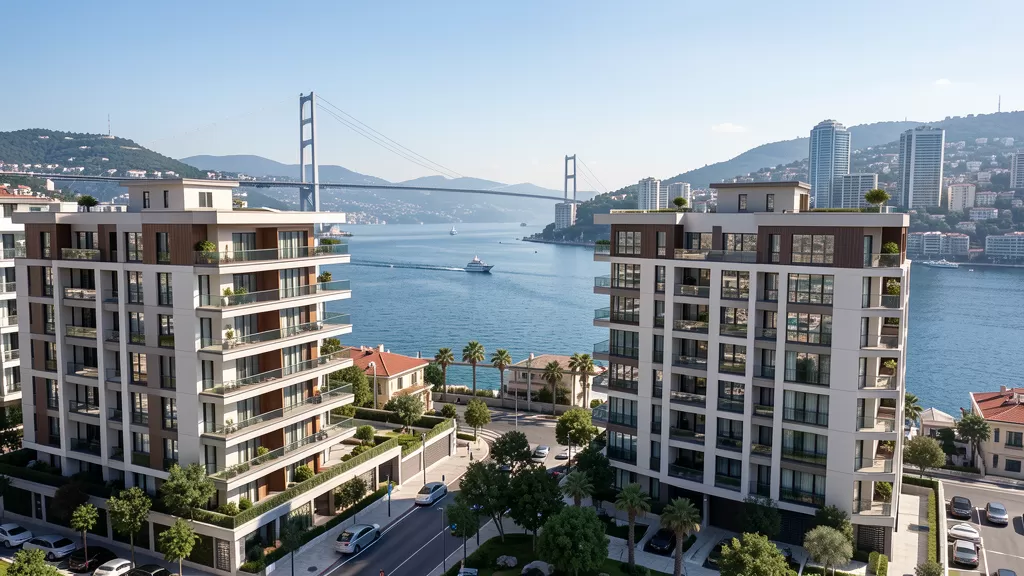
Istanbul’s property market has some fundamental advantages that keep it attractive to international buyers. The city offers property prices that are significantly lower than other global metropolises — you can buy a modern apartment in a good district for $80,000 to $150,000, while the same budget would barely get you a parking spot in London or New York. The Turkish lira’s relative weakness against major currencies like the dollar, euro, and pound means foreign investors effectively get a discount on property prices when paying in foreign currency.
Turkey’s citizenship by investment program, requiring a minimum $400,000 property investment, remains one of the most accessible second-passport programs globally. The Turkish government has maintained the $400,000 threshold since 2022, providing stability for investors planning their citizenship journey. The program has attracted thousands of investors from the Middle East, Europe, Central Asia, and beyond, creating consistent demand in the real estate market.
Istanbul’s infrastructure development continues at a remarkable pace. The new Istanbul Airport has transformed transportation access to the European side. Metro expansions are connecting previously underserved districts, with new lines opening regularly. The ongoing urban renewal program is replacing older buildings with modern, earthquake-resistant housing, creating opportunities for capital appreciation in well-chosen districts.
Market Overview: Property Prices and Trends
The average property price across Istanbul in 2026 is approximately $1,550 per square meter, but this varies dramatically by district. Luxury areas along the Bosphorus command $3,000 to $8,000 per square meter, while developing districts offer entry points from $800 per square meter. Over the past five years, property prices in Istanbul have seen significant growth in local currency terms, though foreign currency prices have remained relatively stable — creating a favorable entry point for international buyers.

Rental yields in Istanbul typically range from 4% to 8% annually, depending on the district and property type. Budget-friendly districts like Esenyurt offer the highest yields at 6-8%, while luxury areas in Besiktas or Sisli average 3-5%. Mid-range districts like Beylikduzu and Basaksehir offer a balanced 5-7% yield with good capital appreciation potential. For investors focused on rental income, the higher-yielding districts often provide better returns than the luxury segment.
Foreign buyer activity remains an important segment of the market, accounting for approximately 1-2% of total transactions. Buyers from Russia, Iran, Germany, Iraq, and Gulf countries are the most active. The trend toward remote work has increased demand for properties with home office space, good internet connectivity, and access to outdoor areas — features that modern developments in districts like Basaksehir and Beylikduzu specifically cater to.
Best Districts for Real Estate Investment in Istanbul
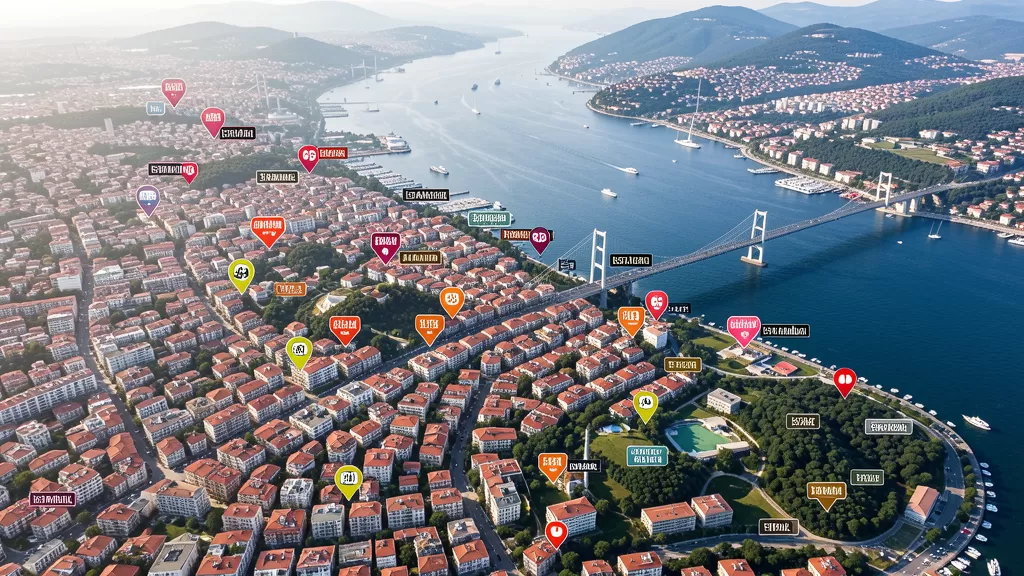
Choosing the right district is the most important decision you’ll make as an investor. Beylikduzu on the European coast offers sea-view apartments from $1,200 to $1,800 per square meter with 5-7% rental yields. The district has modern infrastructure, shopping centers, and is popular with Middle Eastern and European buyers. Basaksehir, near the new Istanbul Airport, offers master-planned communities at $1,500 to $2,500 per square meter with excellent long-term growth potential.
Esenyurt is the most affordable option at $800 to $1,500 per square meter, offering the highest rental yields at 6-8%. The district’s large population ensures consistent tenant demand. Kucukcekmece provides lakeside living at $1,000 to $2,000 per square meter, while Kartal on the Asian side offers good value at $1,200 to $2,000 per square meter with strong urban renewal potential. Each district has its own character and investment profile, so your choice should align with your investment goals.
Key Investment Strategies for 2026
Your strategy should match your goals. If you’re seeking Turkish citizenship, any district qualifies as long as the property meets the $400,000 threshold. For rental income, focus on districts with high tenant demand like Esenyurt or Beylikduzu. For capital appreciation, look for areas with planned infrastructure improvements — new metro lines, highway expansions, or urban renewal projects. Off-plan properties in developing districts can offer significant discounts compared to completed units, with the potential for 15-30% price appreciation by completion.

Another smart strategy is purchasing multiple smaller units instead of one large property. A $400,000 budget can buy 3-4 apartments in Esenyurt, generating $2,000-3,000 monthly rental income, versus one apartment in Besiktas that might generate $1,500-2,000. The diversification also reduces risk — if one unit is vacant, the others still generate income. Consider working with a reputable real estate agency that specializes in foreign buyers. They can help you navigate the legal process, find the right properties, and manage your investment after purchase.
Legal Process for Foreign Property Buyers
The process of buying property in Turkey as a foreigner involves several steps. First, obtain a Turkish tax identification number, which takes just a few hours at any tax office. Open a Turkish bank account and transfer your investment funds. Find a property and have it appraised by a government-licensed valuator. The valuation report is mandatory for citizenship applications and recommended for all purchases. The property must have a clear title deed with no encumbrances or legal disputes.
Once you’ve chosen a property, you’ll sign a sales contract and pay a deposit, typically 10-30% of the purchase price. The title deed transfer takes place at the Tapu office, where you’ll pay the 4% transfer fee (usually split between buyer and seller). After the transfer, you own the property. The entire process can be completed in 2-3 weeks with proper legal assistance, though citizenship applications add 3-6 months for government processing.
Costs and Taxes to Consider
Beyond the purchase price, budget for additional costs totaling 8-12%. The title deed fee is 4% of the declared property value. Legal fees range from $1,000 to $2,500. Property valuation for citizenship costs $200 to $500. Notary and translation fees add $200 to $500. Annual property taxes are 0.1% to 0.6% of assessed value. Earthquake insurance (DASK) is mandatory and costs $50 to $200 annually. Building maintenance fees in modern complexes range from $50 to $200 per month.
Frequently Asked Questions
Is real estate investment in Istanbul safe for foreigners in 2026?
Yes. Turkey’s legal framework protects foreign property buyers, and the title deed system provides clear ownership rights. Working with a licensed real estate agent and lawyer ensures a smooth process.
What is the minimum budget for real estate investment in Istanbul?
Entry-level properties start from $50,000 in budget districts like Esenyurt. For citizenship by investment, the minimum is $400,000.
Which district offers the best rental yield in Istanbul?
Esenyurt offers the highest rental yields at 6-8% annually, followed by Beylikduzu and Kartal at 5-7%.
Can I finance my property purchase as a foreigner?
Some Turkish banks offer mortgages to foreign buyers, typically financing 50-70% of the property value with 5-10 year terms. Many developers also offer installment plans.
Do I need to live in Turkey to own property?
No. Foreigners can own property in Turkey without residing there. You can manage your investment remotely or through a property management company.
Understanding the Turkish Real Estate Market in 2026
The Turkish real estate market has shown remarkable resilience and growth over the past several years. Despite global economic uncertainties, Istanbul’s property market continues to attract domestic and international investors. The city’s population of over 16 million people creates consistent housing demand, while the limited supply of land in prime locations naturally supports property values. New construction tends to focus on emerging districts where land is more available and affordable, creating a cycle of development that benefits early investors in these areas.
One of the most significant factors driving the market in 2026 is the ongoing urban renewal program. Many older buildings in central districts are being replaced with modern, earthquake-resistant structures. This renewal process creates opportunities for investors who can acquire units in new developments at pre-completion prices and benefit from appreciation as the surrounding neighborhood transforms. The government’s support for urban renewal, including tax incentives and streamlined permitting, continues to encourage developers to undertake these projects.
Foreign investment in Turkish real estate has seen some fluctuation over the years, but the fundamental attractions remain strong. Turkey’s strategic location, relatively young population, growing economy, and accessible citizenship program continue to draw international buyers. While the peak foreign buying years of 2021-2023 saw exceptionally high volumes, the current market offers more reasonable prices and less competition for quality properties — which can actually work in the savvy investor’s favor.
Property Types and Their Investment Profiles
Different property types offer different investment characteristics. Residential apartments are the most common investment vehicle for foreign buyers, offering straightforward purchase processes, clear demand, and easy rental potential. Commercial properties can offer higher yields but require more market knowledge and typically involve longer vacancy periods between tenants. Off-plan investments offer the highest capital appreciation potential but require patience during the construction period and carry development risk.
Studio and one-bedroom apartments are popular with investors focused on rental yield, as they offer the highest return per square meter in most districts. Two and three-bedroom apartments appeal to families and offer broader tenant demand. Larger luxury apartments and penthouses attract premium tenants but may take longer to rent. For most foreign investors, a modern two-bedroom apartment in a well-located development represents the best balance of purchase price, rental demand, and capital appreciation potential.
When selecting a property type, consider your exit strategy. If you plan to sell after the three-year citizenship holding period, choose a property type with broad buyer appeal like a standard two-bedroom apartment. If you’re building a rental portfolio, studio and one-bedroom units in high-demand districts offer the best cash flow. For long-term capital appreciation, larger units in developing districts often outperform smaller units in established areas as the neighborhood matures.
The Impact of Currency Exchange Rates
One of the most significant advantages for foreign buyers in 2026 is the Turkish lira’s exchange rate against major currencies. The lira’s relative weakness means that foreign buyers paying in dollars, euros, or pounds effectively receive a significant discount on property prices compared to just a few years ago. A $400,000 budget today can purchase a substantially larger or better-located property than the same budget could have purchased in 2020.
However, currency dynamics work both ways. If the lira strengthens in the future, the dollar value of your property could appreciate even without any change in the local market price. Conversely, further lira depreciation could reduce the dollar value of your investment if you plan to repatriate the proceeds. To manage this risk, many investors hold their property as a long-term investment, focusing on rental income rather than short-term currency gains. Some also structure their rental agreements in foreign currency to protect their income stream from exchange rate fluctuations.
For investors primarily concerned with citizenship by investment, the $400,000 threshold is fixed in foreign currency terms, so the exchange rate at the time of valuation is what matters. Working with an experienced advisor who understands currency dynamics can help you optimize the timing and structure of your investment.
Working with Real Estate Professionals in Istanbul
Having the right team of professionals is essential for a successful property investment in Istanbul. A licensed real estate agent who specializes in foreign buyers can help you find suitable properties, negotiate prices, and navigate the cultural and legal differences. An immigration lawyer with experience in Turkish citizenship applications ensures your application meets all requirements. A government-licensed property appraiser provides the valuation needed for citizenship applications. A translator for document preparation and a tax advisor for understanding your Turkish tax obligations complete the team.
When selecting professionals, check their credentials with the relevant Turkish authorities. Real estate agents should be licensed by the Ministry of Trade. Lawyers should be registered with the Turkish Bar Association. Ask for references and read online reviews from other foreign clients. Most reputable firms offer transparent fee structures and will provide a clear breakdown of all costs associated with your purchase and application.
Making Your Final Decision: A Practical Checklist
Before making your real estate investment in Istanbul, run through this practical checklist. Confirm your budget including all transaction costs of 8-12% above the purchase price. Research your chosen district thoroughly, including planned infrastructure projects, current property values, and rental demand. Visit the district in person if possible, or arrange a virtual tour with a trusted agent. Verify the developer’s reputation and track record if buying off-plan. Have the property inspected by a licensed engineer and appraised by a government-licensed valuator. Review all contracts with an experienced Turkish lawyer before signing. Confirm the title deed is clean with no encumbrances or legal disputes. Arrange your Turkish tax number and bank account in advance. Finally, work with professionals you trust and take your time — the best investments are made with careful research, not rushed decisions.
Content prepared by Istanbul Real Estate editorial team · Date: July 2026
Istanbul Ongoing Construction Projects 2026: Complete Data Guide for Off-Plan Investors